

Efudix Cream
Efudix (5- Fluorouracil, 5-FU) cream has been used for more than 50 years for treating pre cancerous sunspots and early stages of superficial squamous skin cancers (IEC). It selectively destroys sun-damaged cells in the skin, whilst retaining the normal healthy skin cells.
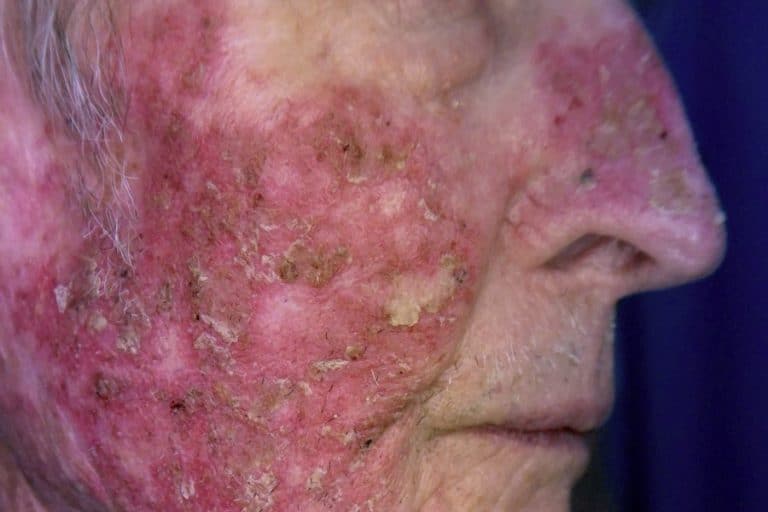
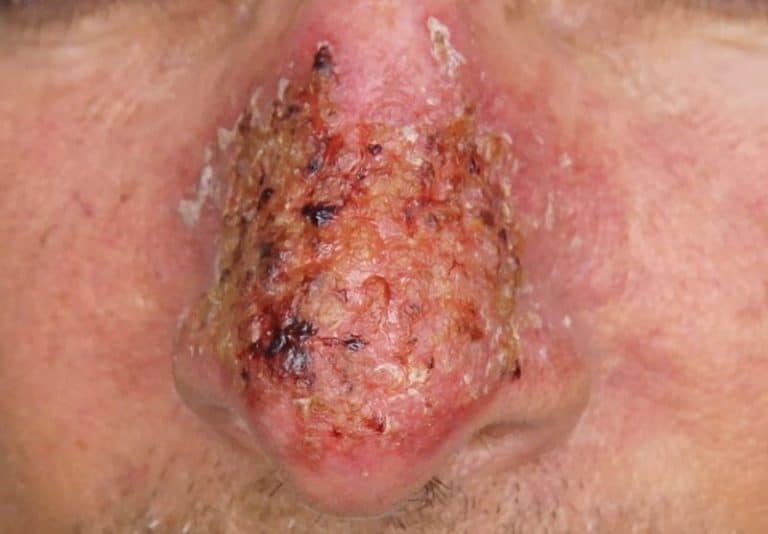
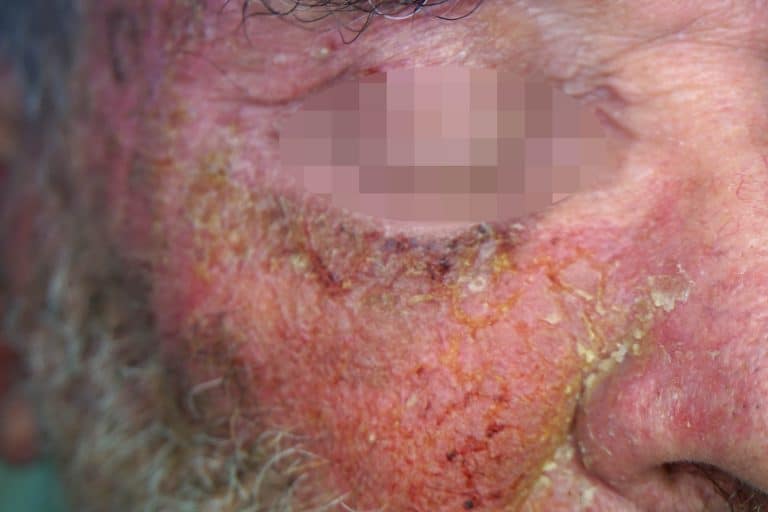
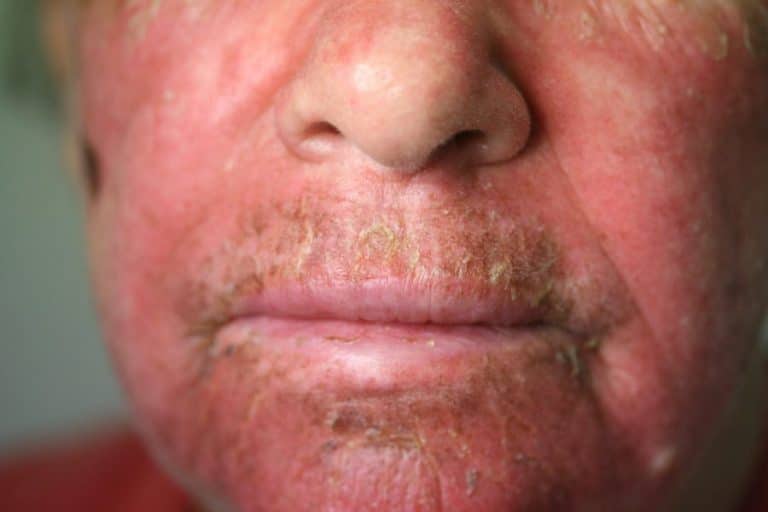
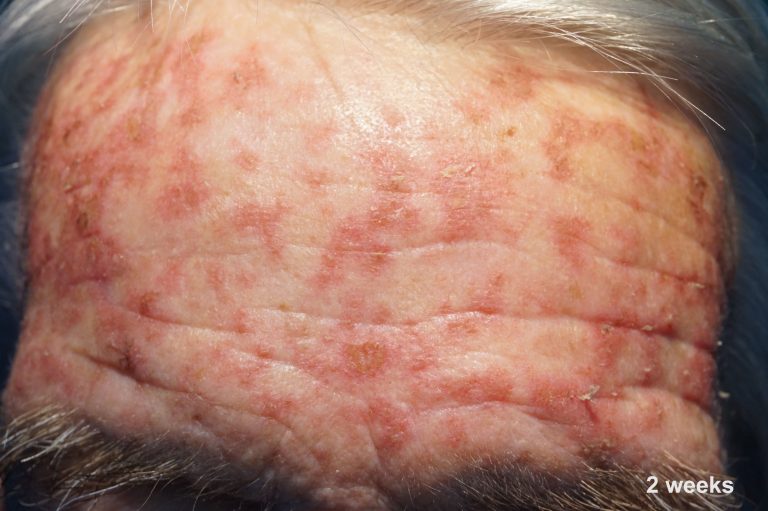
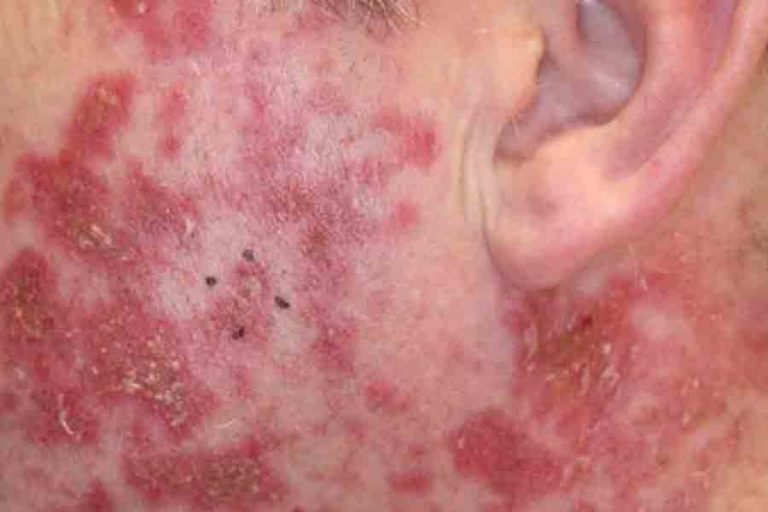
5-FU cream induces inflammation in the skin. After 5 to 10 days of treatment, the sun-damaged parts of treated skin become red and scaly. As treatment is continued, sores and crusts may appear. These raw areas result from the destruction of defective skin cells. Treatment could cause stinging or burning sensation, depending on the sensitivity of the skin and the severity of the sun damage.
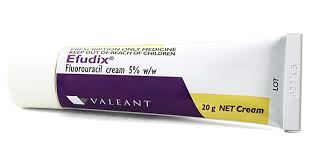
How to use Efudix
- Wash the skin with lukewarm water. After your skin is completely dry, apply a thin film of the cream to the affected skin and rub it gently onto your skin. Apply a small amount of medication to the affected skin, using just enough to cover the area with a thin film.
- After using the cream, wait at least 20 minutes before applying sunscreen, moisturiser or make-up to the treated area. Avoid make-up creams if you notice erosion or ulceration in the skin.
- Efudix cream can be applied with a clean fingertip. Wash your hands thoroughly after applying the cream.
- Do not allow the cream to come in contact with eyes, eyelids, nostrils and lips. Do not apply to broken skin or open cuts. Use it with care in skin folds (such as those around the nose and lips). Efudix could be quite irritating in these areas.
- If you are using the cream in the evening, do not use it on your face immediately before going to bed; contact with the pillow may cause undesirable spreading of cream to your mouth and eyes. It is best to apply the cream few hours before bedtime.
- Limit your exposure to sunlight during treatment with Efudix. You can use sunscreen but wipe off the sunscreen , using a gentle cleanser, before your next Efudix application.
- Do not start the treatment on your face before important social engagements such as weddings or overseas travelling. Efudix cream must not be used during pregnancy and breastfeeding.

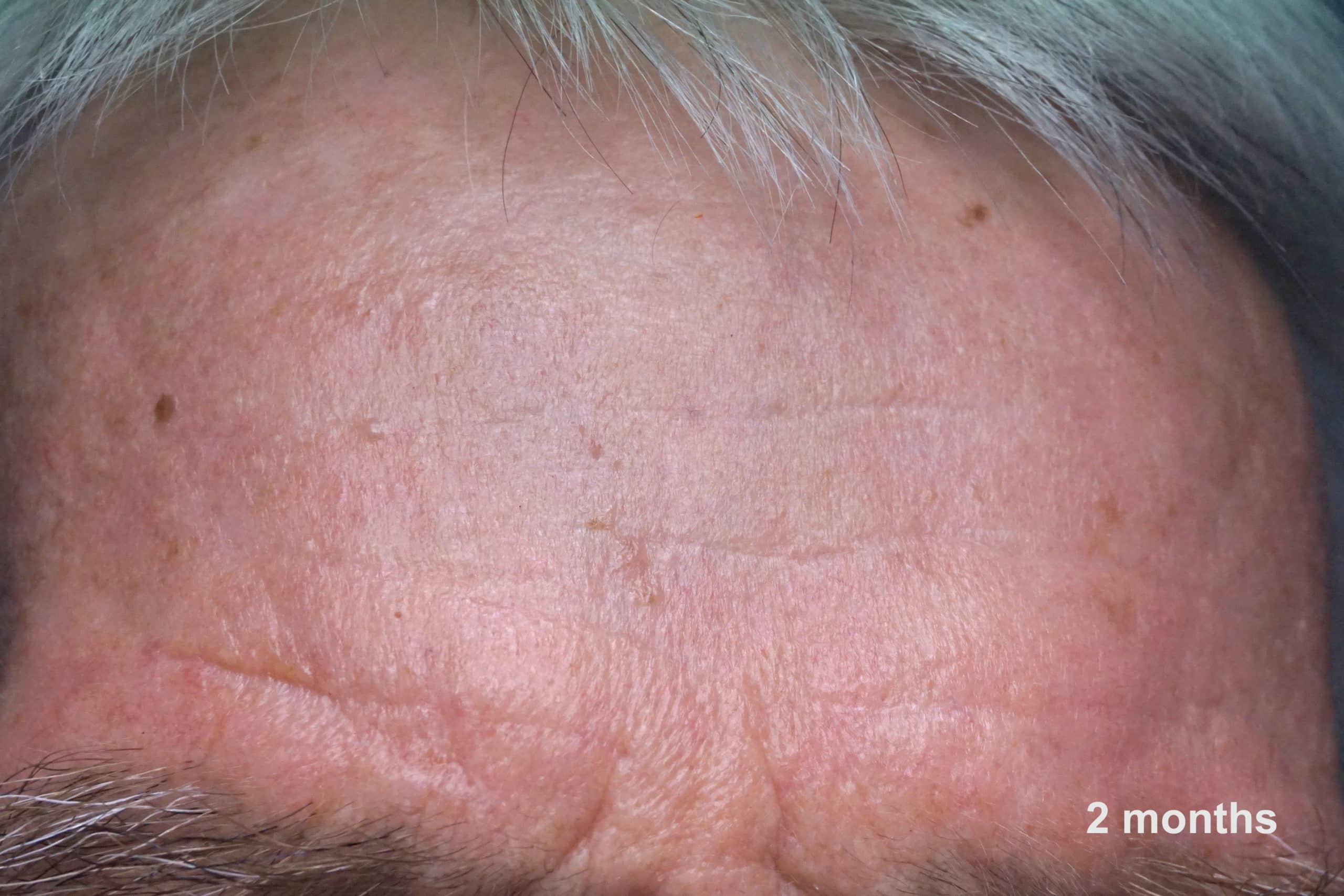
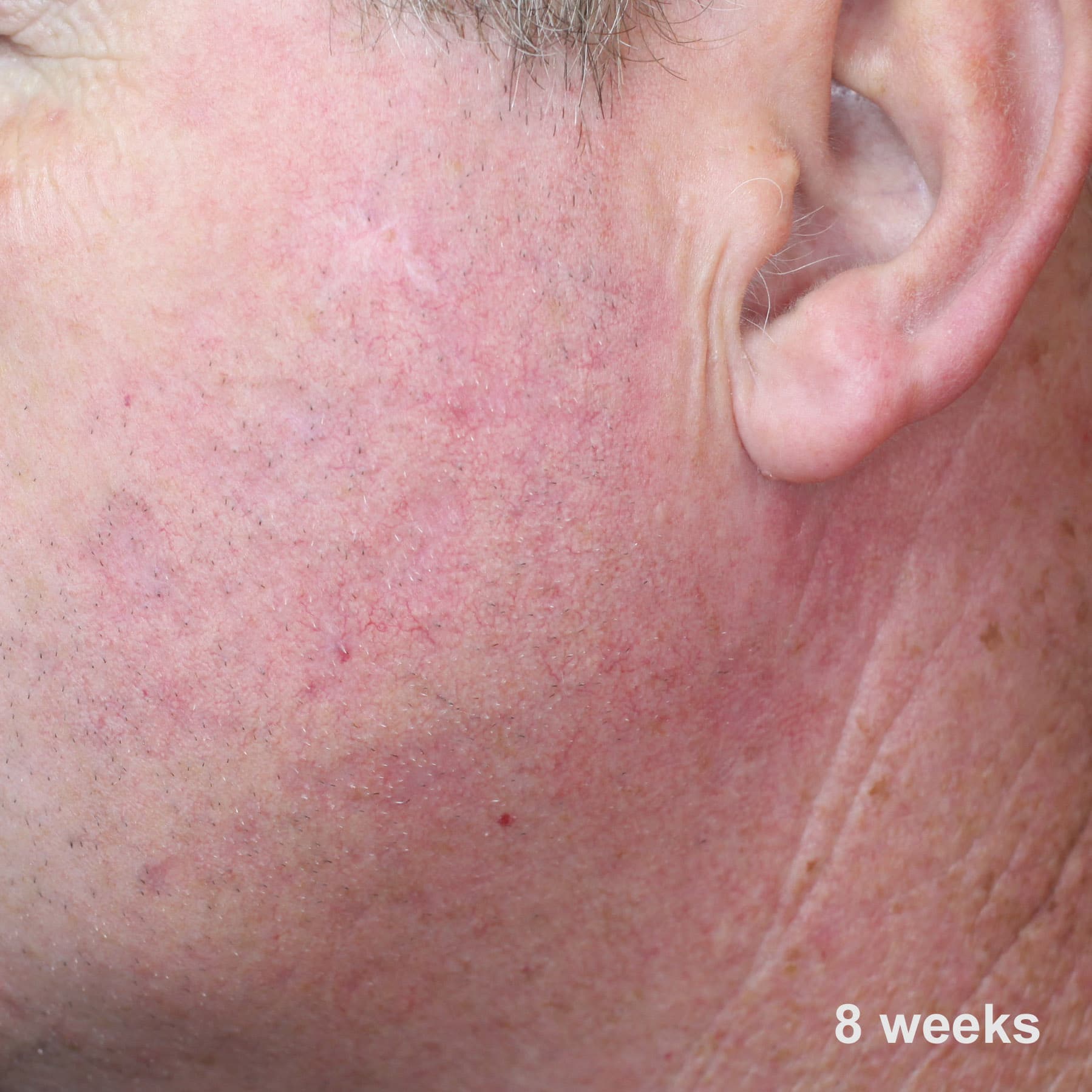
It usually takes 2 – 4 weeks for your skin to return to normal after you finish applying the cream. Your skin may remain pink for up to 2 months after you finish the treatment. Other rare side effects are depigmentation at the site of the original lesions, sun sensitivity and developing small blood vessels. Occasionally patients report symptoms such as mild nausea, loss of appetite and tiredness during treatment.
If you develop significant pain and/or ulceration during the treatment, temporarily stop using cream and contact our clinic. If a sunspot does not clear with therapy it will require biopsy and possibly a surgical excision.
Exfoliating creams such as retinol, salicylic acid, urea cream or glycolic acid improve the absorption and efficacy of Efudix cream by peeling off the top layer of skin. Exfoliating creams may be used for two weeks prior to Efudix treatment to enhance the effect of Efudix.
Your doctor may recommend applying salicylic acid 5% cream, twice daily, start 14 days before efudix treatment.

What to expect
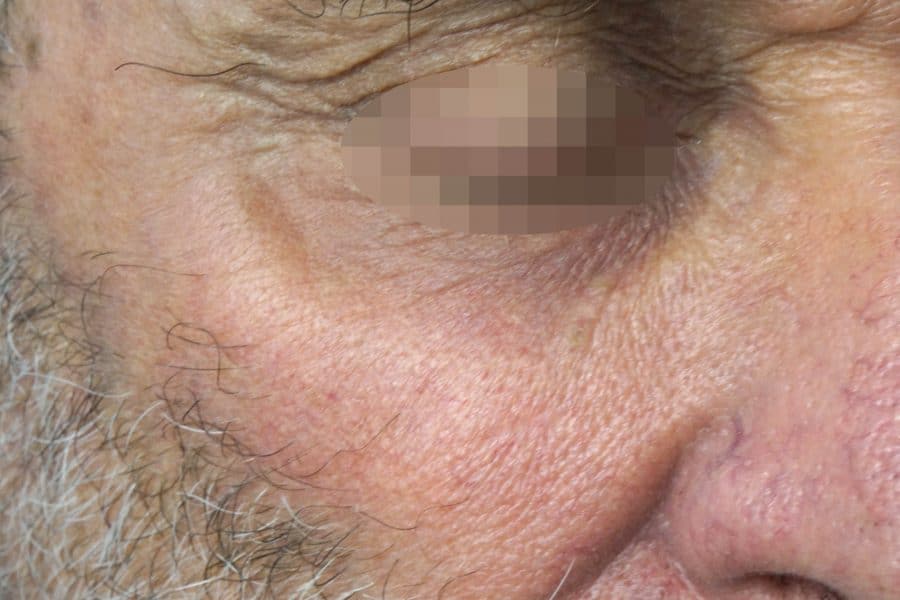
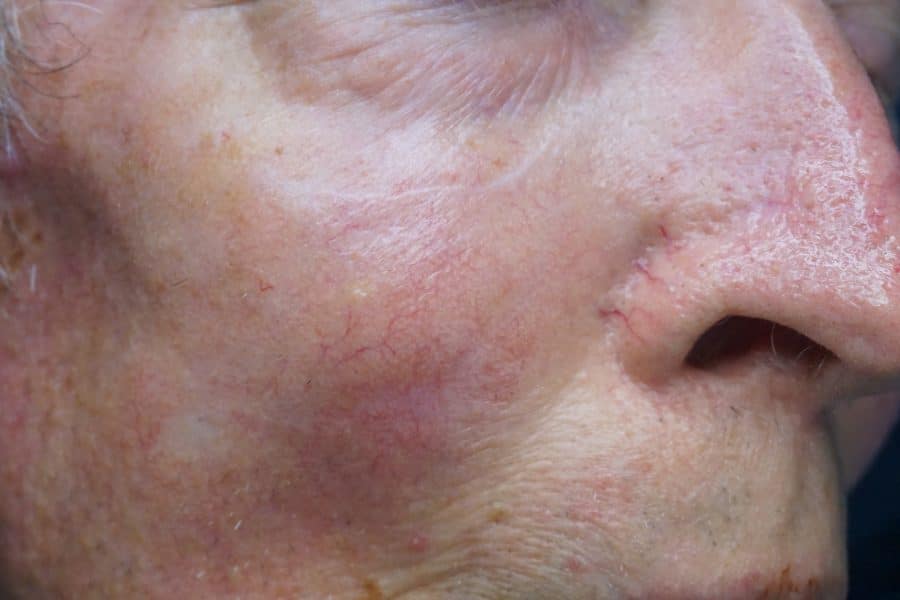
During treatment, the area of your skin that have sunspots will look and feel irritated. Some people have a mild reaction, others a severe reaction. The redness, inflammation, irritation, crusting and peeling you see are signs of efudix is working to eliminate the abnormal cells. While this stage of treatment might be unattractive and uncomfortable, it is important that you do not stop the treatment without checking with your doctor first. You may notice redness and inflammation in nearby areas of skin that did not appear to have any abnormalities. This is because of the invisible abnormal cells in your skin. If you have many abnormal cells and lesions you can expect to develop more redness and inflammation than a person who has a single area of abnormality.
Expected progress
week 1 ……………………………..mild redness
week 2 to 3 ……………………… red, crusted and uncomfortable
week 3 to 4 ……………………….peeling, blistering
Dealing with severe reaction
If you have a severe reaction ( like ulceration) it may be appropriate to reduce the frequency with which you are applying the cream. Doctor will usually see you after 2 weeks of treatment. If you develop significant pain and/or ulceration during the treatment then temporarily stop using the cream and request an urgent review with your doctor. If you stop applying the cream your skin will gradually return to normal.
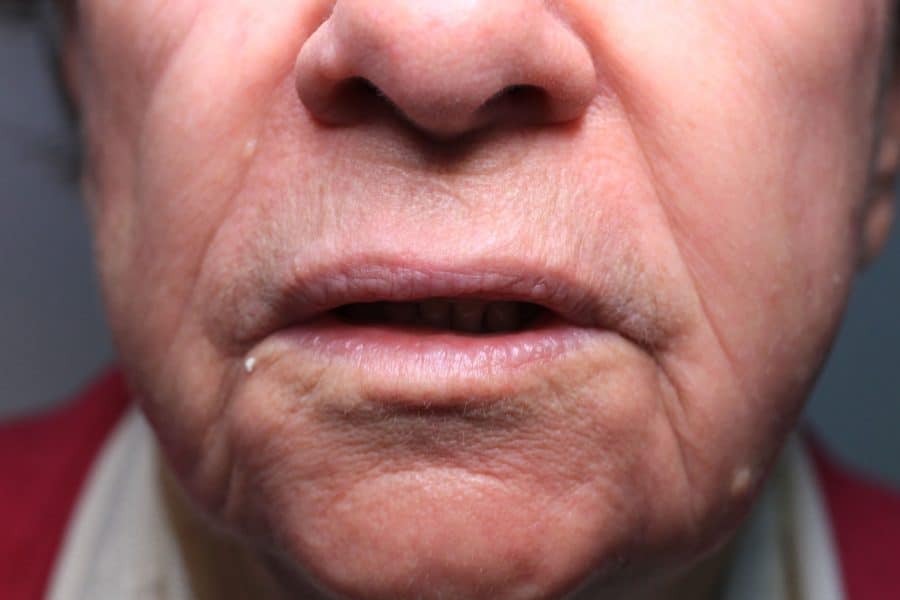
It usually takes 2-4 weeks for your skin to return to normal after you finish applying the cream. This varies according to the duration of your therapy and the severity of your skin reaction. Your skin may remain pink for up to 2 months after you finish the treatment.
Other rare side effects are depigmentation at the site of the original lesions, sun sensitivity and developing small blood vessels. Occasionally patients report systemic symptoms such as mild nausea, loss of appetite and tiredness during treatment.
If needed, your doctor may recommend pre-treatment cream to exfoliate your skin. This makes the treatment more effective.
Complications
Itching, pain, erosions, crusting, dermatitis and other inflammatory reactions are expected during treatment. The following complications may follow the treatment: – Persistent white marks or scarring
– Undiagnosed skin cancers; these may appear to heal with 5-FU cream but recur later.
Inflammation of the skin is expected, but if the skin becomes very sore, stop using 5-FU cream. Bathe the area with water, dab the skin dry and apply Vaseline, or Cicaplast Baume B5, every few hours. The Vaseline that you apply should be newly opened and free from potential contamination from fingertips. When the skin settles, you may be able to continue 5-FU cream to complete the treatment course.
After completing the treatment, apply moisturising creams, e.g. Cicalfate or Bio-Oil, few times a day. Protect your skin by mineral sunscreens such as Invisible Zinc or Ultra Facial Defence. Sunscreen should be used every morning and be topped up during the day. After the treatment of sunspots on your face, topical Niacinamide creams, such as Lipikar Baume or Metacell Renewal B3, help your rejuvenating skin.
New Treatments
Efudix is a very powerful treatment however, the duration of treatment and severe inflammatory reaction are the drawbacks of this treatment. Recently, a new compound has been proven to be promising, with least side effects and similar efficacy.
Find out more about this new compound here.
