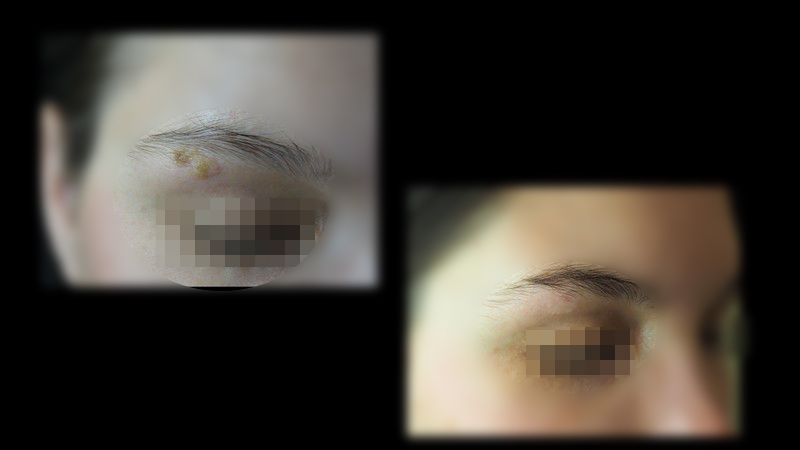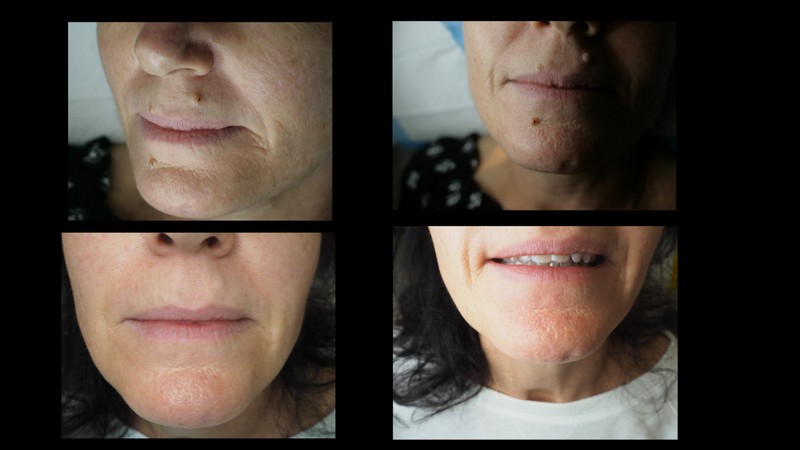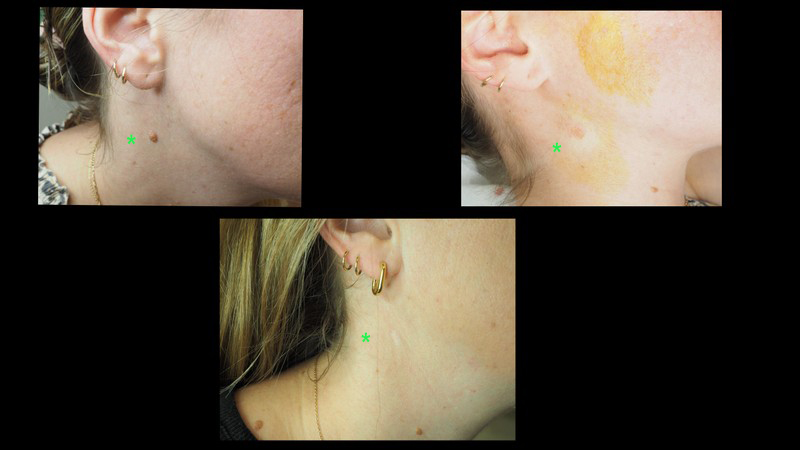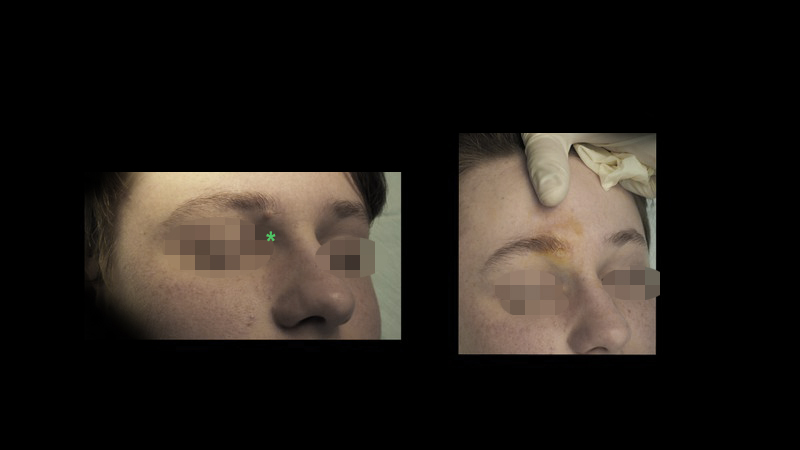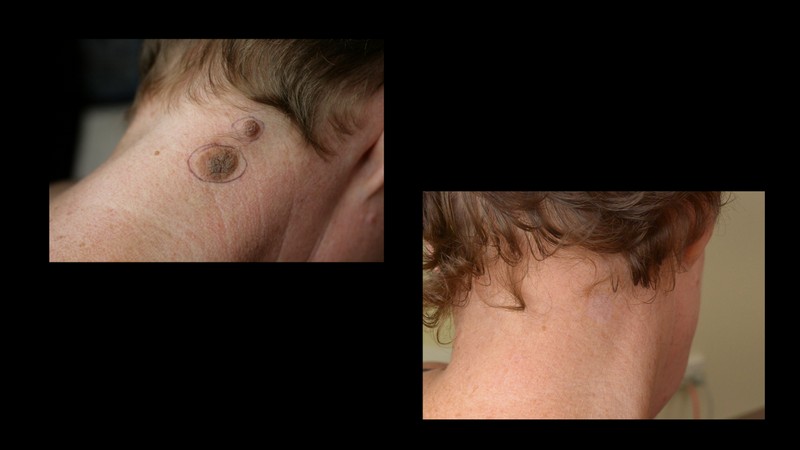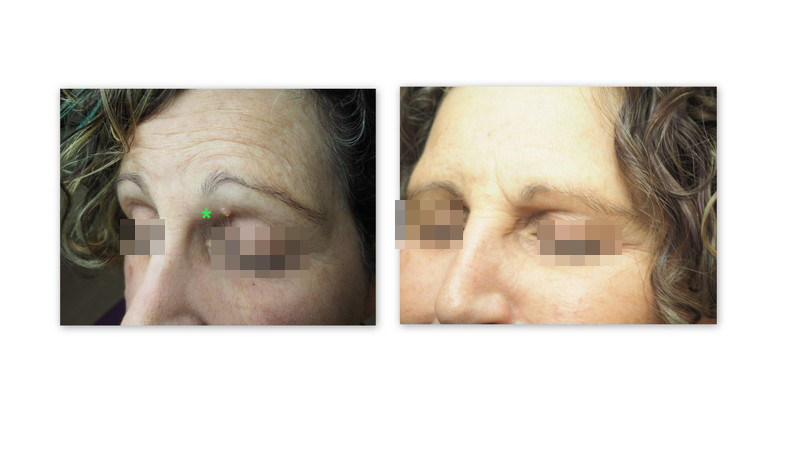

Radiofrequency Mole Removal
Benign moles can be removed for cosmetic reasons. Sometime moles and skin tags become large and irritating. Protruding moles could get caught and traumatized easily as well. Such moles used to be removed by surgical excision. Luckily with the modern radiofrequency technology, we can remove these harmless moles without any scalpels or suturing .
This revolutionary cosmetic mole removal technology means you longer need to live with unsightly moles. Moles and skin tags are removed in one session. Moles or skin tags can be removed without any surgical scar. This technology can be used on all body parts including the face and even scalp without loosing hair. Moles are assessed by your doctor prior to removal to ensure your mole is not cancer. Skin cancer requires formal excision but benign moles can be removed without surgery.
Radiofrequency technology is at the cutting edge of cosmetic mole and skin tag removal. There is minimal downtime, safety is assured, and there is very little aftercare required.
What is Radiofrequency mole removal?
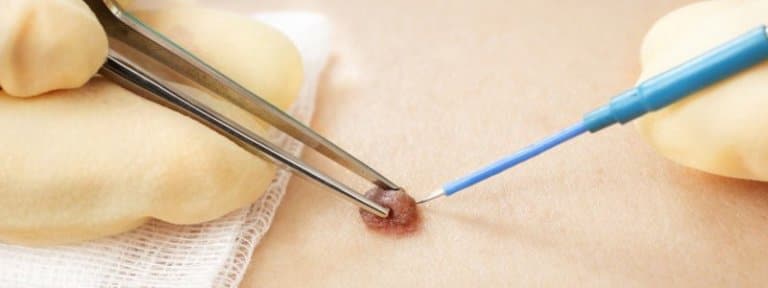
Radiofrequency (RF) mole removal is a simple procedure using radio waves to remove moles, birthmarks and skin tags. RF mole removal is performed under local anaesthetic to ensure you remain comfortable during the treatment. A device called radiosurgery electrode is used to gently shave the mole away from the surface of the skin.
What should I expect?
Immediately after the procedure, the wound looks pink. Lesions should be covered with a dressing for at least 24 hours. Resulting crust usually falls off after about 2 to 3 weeks. Skin will gradually come back to its normal colour, leaving minimal scar or no scar at all. There is no downtime with this technique and it could be done in your lunch break.
Quick
under 10 minute No stitches, scalpels
Affordable
much more cost effective than laser or surgery
No downtime
walk-in, walk-out treatment
satisfactory results
Safety of RF
RF mole removal is a safe and effective procedure. Surgeons regularly use radiosurgery during various operations at hospitals. Radiowaves may interfere with cardiac pacemakers and can not be used in such patients. We usually do not perform RF cosmetic surgeries during pregnancy but it is safe while breastfeeding.
Prior to removing the mole, we always examine the lesion to make sure it is not cancerous. Suspicious lesions will be sent to pathology for further examination.
What should I do after the RF mole removal?
The treated area will be raw and pink for approximately five days. Do not rub, scratch, or pick at the area. You can have a normal shower 24 hours after the procedure and start using make up after 5 days.
Apply a thin layer of Vaseline ointment to the treated area several times a day to keep the area constantly hydrated for the first week. You can then apply Vit E oil or Avene Cicalfate Cream, twice a day till the skin is completely restored.
Treated spots should be protected from sunlight for at least 8 weeks. A broad-spectrum sunscreen (e.g. La Roche- Posay Anthelios XL) should be generously and frequently applied to the treated areas at all times.
** If you notice increasing redness, swelling, tenderness or throbbing pain after the procedure, contact the doctor immediately.